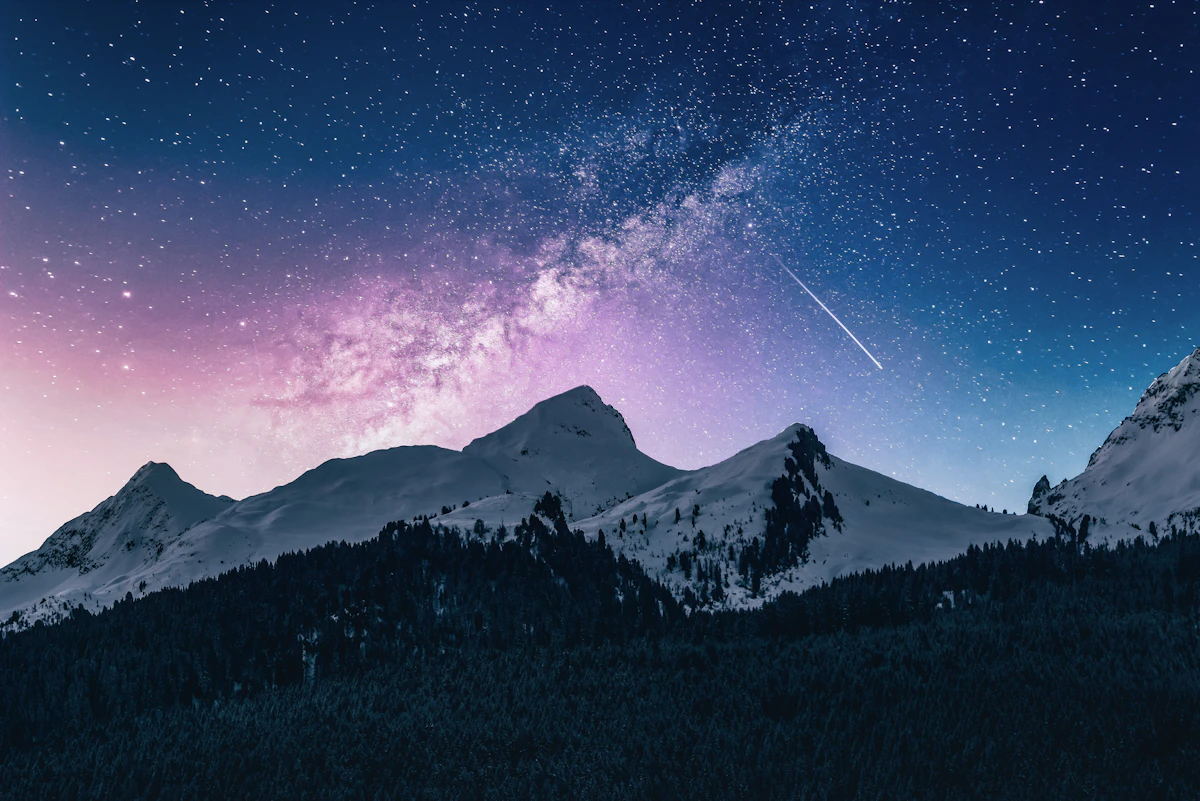
Many people pack away their cameras immediately after the Sun dips below the horizon during sunset. By doing so, they miss one of the most serene and colorful atmospheric phenomena: The Blue Hour.
What is Blue Hour?
The Blue Hour refers to the period of twilight when the Sun is positioned between 4 degrees and 8 degrees below the horizon.
During this window, the sky transitions into a vivid, deep cobalt blue hue while city lights, streetlamps, and building illuminations turn on.
The Physics Behind the Deep Blue Sky: Chappuis Absorption
Unlike golden hour, which is caused by Rayleigh Scattering, blue hour is governed by Chappuis Absorption in the stratosphere.
When the Sun is just below the horizon, sunlight passes through the high-altitude Ozone Layer. Ozone molecules absorb reddish and yellow wavelengths while selectively transmitting deep blue light. This ozone filtering casts a rich indigo glow across the entire sky.
Blue Hour Timing & Characteristics
| Feature | Morning Blue Hour | Evening Blue Hour |
|---|---|---|
| Solar Altitude | -4° to -8° (Before Sunrise) | -4° to -8° (After Sunset) |
| Sky Color | Deep Indigo turning to Magenta | Orange horizon fading to Electric Blue |
| Duration | ~15 to 30 Minutes | ~15 to 30 Minutes |
| Lighting Balance | Ambient sky matches streetlights | Artificial lights balance natural sky |
Perfect Blue Hour Photography Techniques
- Use a Heavy Tripod: Because the Sun is below the horizon, exposure times range from 2 to 15 seconds. Handholding will produce blurry shots.
- Set Aperture to f/8 - f/11: This creates starburst flares around artificial city streetlights.
- Use Remote Shutter Release or 2s Timer: Prevents camera shake from pressing the shutter button.
- Shoot RAW: RAW capturing preserves details in both bright streetlights and shadow-rich blue sky gradients.